
How to Plan the Perfect Indian Buffet for Your Next Event
Hosting an event with dozens of guests means juggling dietary preferences, portion sizes, and keeping everyone satisfied without overspending or running out of food halfway through dinner. An Indian buffet solves many of these challenges naturally: it offers variety, accommodates different spice tolerances, and delivers a visually impressive spread that encourages guests to explore flavours at their own pace.
Start With Your Guest Count & Dietary Requirements
Before selecting dishes, confirm your exact headcount and ask about dietary restrictions. Indian cuisine adapts well to various needs, but you’ll want clarity upfront to avoid last-minute scrambling.
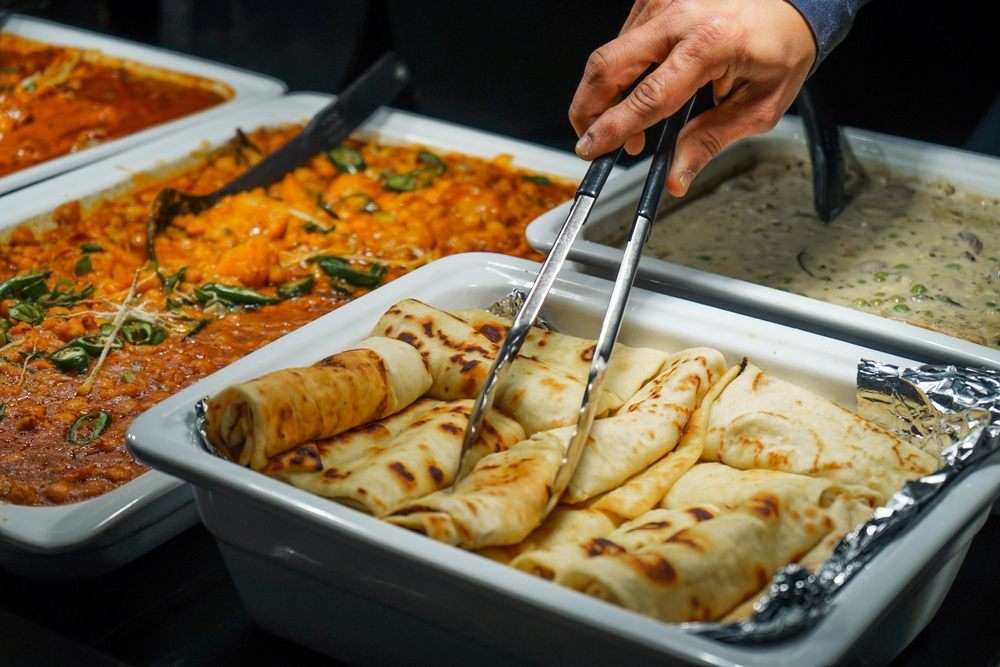
For a buffet serving 30 to 50 people, plan for approximately 250 to 300 grams of food per person when offering multiple dishes. This accounts for guests sampling several items rather than filling a plate with one entrée. If your event includes children, reduce portions slightly, as younger guests typically eat less and gravitate toward milder options like butter chicken or plain naan.
Vegetarian and vegan guests find Indian buffets particularly accommodating. Dishes like chana masala, dal tadka, aloo gobi, and vegetable biryani provide substantial, flavourful options that don’t feel like an afterthought. If you’re working with a caterer, confirm whether ghee or cream appears in vegetarian dishes, as some guests avoid dairy entirely.
Halal considerations matter for many guests. When sourcing your indian buffet, verify that all meat dishes meet halal standards, particularly if your guest list includes practising Muslims. A halal buffet ensures everyone can enjoy the full spread without hesitation.
Build a Balanced Menu Across Spice Levels & Textures
A successful Indian buffet balances mild, medium, and bold spice levels so every guest finds something they enjoy. Structure your menu around these categories to create variety without overwhelming your table.
Mild dishes serve as entry points for guests unfamiliar with Indian cuisine or those who prefer gentler flavours. Butter chicken, korma, paneer tikka masala, and dal makhani fit this category. These dishes showcase rich, creamy gravies with aromatic spices that don’t deliver heat. Include at least two mild options, with one vegetarian and one meat-based.
Medium spice dishes offer more complexity without crossing into intense heat. Chicken tikka masala, chana masala, palak paneer, and most biryani preparations land here. These dishes form the backbone of your indian buffet and should represent the largest portion of your menu. Three to four medium-spice selections give guests enough variety to build a satisfying plate.
Bold, spicy options cater to guests who seek authentic heat and intense flavour. Vindaloo, Madras-style curries, and certain regional specialties deliver this experience. Limit these to one or two dishes, clearly labelled so guests can make informed choices—position spicy items near the end of the buffet line to prevent unintentional selections.
Texture and cooking methods also matter—pair saucy gravies with drier preparations like tandoori chicken, seekh kebabs, or samosas. Include at least one rice dish, such as biryani or pulao, and offer multiple bread options. Garlic naan, tandoori roti, and Amritsari kulcha each bring distinct textures and flavours that complement different curries.
Plan Quantities & Timing for Freshness
Indian buffet dishes taste best when served fresh and maintained at proper temperatures. Work backwards from your event start time to coordinate cooking, transport, and setup.
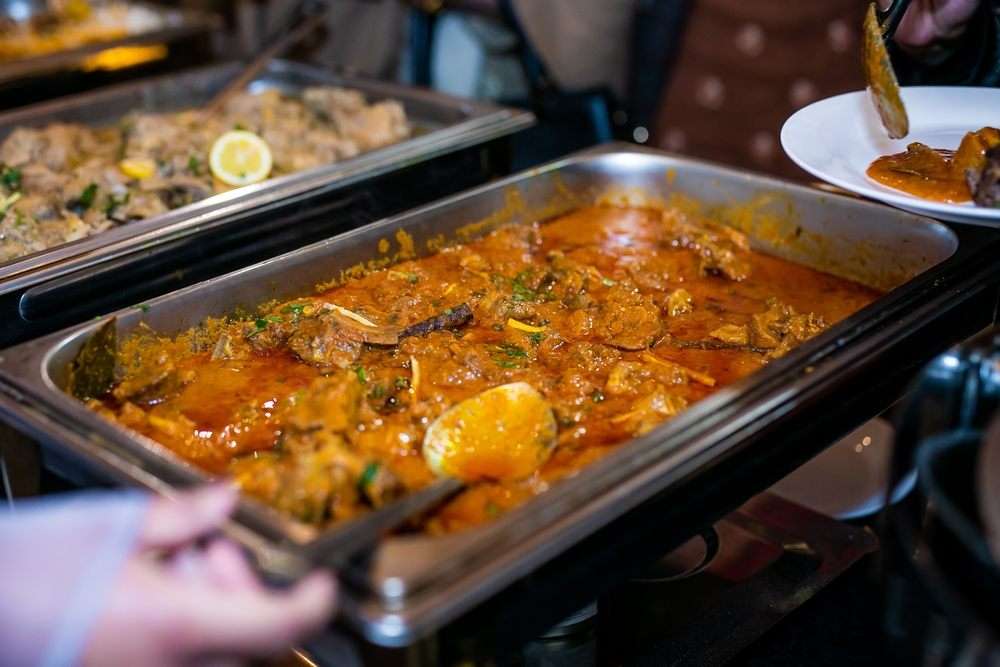
Protein dishes should provide roughly 150 grams per person when combined with vegetarian options and sides. For a 40-person event, prepare approximately six kilograms of combined protein across your meat and vegetarian dishes. Split this between chicken, lamb, or goat options and paneer or legume-based preparations.
Bread loses quality quickly, so plan for 1.5 to 2 pieces per person and arrange delivery or preparation as close to service time as possible. If your caterer offers fresh tandoor-baked breads, stagger the batches so latecomers receive warm naan rather than room-temperature pieces.
Rice dishes hold heat well and can be prepared slightly ahead. Calculate 100 grams of cooked rice per person, recognizing that some guests will skip rice entirely in favour of bread. Biryani serves as both a rice dish and a protein source, so adjust your meat quantities if biryani appears on your menu.
Appetizers and sides round out the experience. Samosas, pakoras, raita, salad, and chutneys add variety without requiring large quantities. Plan for two to three appetizer pieces per person and small portions of accompaniments, as these complement the main dishes rather than serving as focal points.
Set Up Your Indian Buffet for Flow & Presentation
Indian buffet arrangement affects both aesthetics and guest experience. Thoughtful setup prevents bottlenecks and showcases your spread effectively.
Start the line with plates and small appetizers like samosas or pakoras. This gives guests something to sample while they survey the full selection. Follow with rice and bread options before moving to curries and main dishes. This order mirrors how guests naturally build their plates: base first, then proteins and gravies.
Group similar items together for visual coherence. Place all vegetarian dishes in one section, meat dishes in another, and sides near the end. Use small tent cards or labels identifying each dish and its spice level. This simple addition helps guests navigate unfamiliar items and prevents repeated questions.
Chafers or warming trays maintain proper serving temperatures for two to three hours, sufficient for most events. Position these with enough space between each container for guests to serve themselves without crowding. If your event extends beyond three hours, arrange for fresh chafers or coordinate with your caterer for mid-event replenishment.
Height variation makes indian buffets more visually appealing. Use risers or stacked crates beneath tablecloths to create different levels. This breaks up the visual monotony of a flat table and allows guests to see all options at once rather than straining to identify dishes at the back.
Frequently Asked Questions
Q: How much food should I order for a 50-person Indian buffet?
A: For 50 guests, plan for 12 to 15 kilograms of combined food across all dishes, including proteins, vegetables, rice, and bread. This translates to roughly six to seven different curry or main dishes, two rice options, 75 to 100 pieces of bread, and appetizers. Adjust based on whether your event includes other food service, like passed hors d’oeuvres or dessert.
Q: What’s the best way to keep naan and roti warm during an indian buffet?
A: Wrap breads in clean cloth napkins or place them in a covered basket lined with foil to retain heat. For longer events, use a small chafer with a damp cloth at the bottom, positioned away from direct heat to prevent drying. Request fresh batches from your caterer at 90-minute intervals if the event extends beyond two hours.
Q: Can I mix North Indian and South Indian dishes on the same buffet?
A: Yes, though consider your audience’s familiarity with regional variations. North Indian dishes like butter chicken, naan, and biryani represent more widely recognized flavours for mixed crowds. If your guests appreciate culinary diversity, adding South Indian items like dosas, uttapam, or coconut-based curries creates an interesting contrast. Just ensure you provide clear descriptions so guests understand what they’re selecting.
Create a Memorable Experience With Authentic Flavours
Planning an Indian buffet requires attention to guest needs, menu balance, and logistical details. Still, the result delivers a dining experience that accommodates diverse preferences while showcasing the depth of Indian cuisine.
Focus on variety across spice levels, maintain proper temperatures, and present your spread with clear organization. When you work with a caterer experienced in traditional preparation methods and premium ingredients, your indian buffet becomes more than just dinner; it becomes a culinary journey your guests will discuss long after the event ends.
Looking for Indian food in Mississauga prepared from scratch with authentic recipes and premium spices? Mughal Mahal brings over 30 years of experience crafting indian buffets that honor tradition while meeting modern event needs. Contact us to discuss your next gathering and discover how authentic Indian flavours can elevate your event.