
A Deep Dive into Indian Street Food Ingredients: What Makes Each Dish Unique
The soul of Indian street food lies not in elaborate cooking techniques or expensive equipment, but in the raw ingredients themselves. A vendor’s cart may look simple, but the spices, flours, and fresh produce stacked around it tell a story of regional indian heritage, careful sourcing, and flavour-building wisdom passed through generations.
The Foundation: Flours & Starches That Define Texture
Indian street food relies on a diverse range of flours, each chosen for its ability to create specific textures and flavours. Besan (chickpea flour) forms the crispy batter for pakoras and the soft, savoury base for dhokla. Its high protein content and nutty undertone make it irreplaceable in many preparations. Unlike wheat flour, besan binds without gluten, creating a distinctly crumbly yet cohesive texture.

Atta (whole wheat flour) is the backbone of breads like kulcha, paratha, and roti. Stone-ground atta retains the wheat germ and bran, giving breads a hearty flavour and slight coarseness that pairs perfectly with rich gravies. Street vendors often mix atta with maida (refined wheat flour) for dishes requiring extra pliability, such as samosa wrappers or bhature, where the dough must stretch thin without tearing.
Rice flour appears in South Indian street foods like dosa and idli batter, contributing to their characteristic crispness and fermentation tang. When combined with urad dal (black gram) flour, it creates the perfect balance of airiness and structure. In North Indian chaat, roasted rice flour acts as a thickening agent in dahi (yogurt) preparations, preventing them from becoming watery when mixed with hot components.
Potato starch and cornstarch serve as coating agents, particularly in Indo-Chinese street food adaptations like gobi Manchurian. These starches crisp up beautifully when fried, creating a protective shell that keeps vegetables tender inside while delivering crunch.
Spices That Build Layered Complexity
While many assume curry powder defines Indian cooking, street food vendors rely on whole spices and carefully balanced blends that vary by dish and region. Cumin seeds appear in two forms: whole jeera, tempered in hot oil to release its earthy warmth, and ground jeera, which integrates into spice mixtures. The difference in flavour between the two is substantial, with whole cumin offering a more pronounced, almost citrusy note.
Coriander seeds, when dry-roasted and ground fresh, provide a sweet, lemony undertone that balances the heat in chaats and curries. Street vendors often roast coriander seeds daily, as the essential oils dissipate quickly once ground. This freshness separates authentic street food from versions that rely on pre-ground spices.
Amchur (dried mango powder) delivers the tart punch in chaat masala and many North Indian street snacks. Unlike lemon juice, amchur adds acidity without moisture, preserving the crispy texture of fried foods while brightening heavy flavours.
It’s particularly essential in dishes like aloo tikki and samosa chaat, where it cuts through the richness of fried potatoes and chickpeas. Black salt, or kala namak, contributes a sulphurous, slightly eggy flavour that’s central to chaat and cooling drinks like jaljeera.
Though off-putting in isolation, it adds an umami depth that makes street food craveable. Combined with roasted cumin and mint, black salt creates the distinctive tang that defines Delhi-style street food.
Kashmiri chilli powder appears in nearly every vendor’s spice box, valued more for its deep red colour than its intense heat. It provides visual appeal and mild warmth without overwhelming other flavours. For actual heat, vendors turn to cayenne pepper or local green chillies, adjusting quantities based on regional preferences and customer requests.
Explore our menu to see how these traditional spices come together in dishes crafted from scratch.
Fresh Ingredients That Transform Every Bite
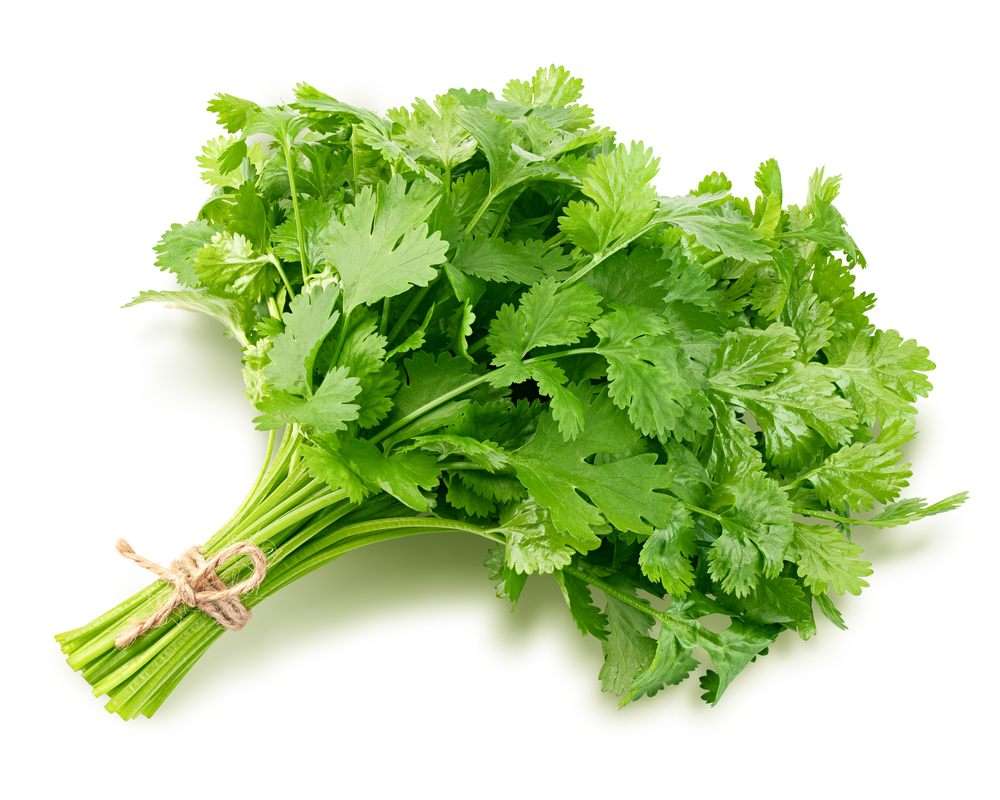
The quality and preparation of fresh ingredients separate exceptional street food from mediocre versions. Cilantro (fresh coriander leaves) appears as a garnish in nearly every dish, but its role goes beyond decoration. The herb’s bright, citrusy notes lift heavy, spiced dishes and add a cooling contrast to heat. Vendors chop cilantro fresh throughout the day, as wilted or oxidized leaves turn bitter.
Ginger and garlic, typically crushed into a paste, form the aromatic base for most cooked street foods. The ratio varies by dish: ginger-forward pastes suit vegetable preparations, while garlic-heavy versions work better with legumes and meats. Fresh paste, made daily by pounding rather than blending, releases more oils and creates a smoother texture than jarred alternatives.
Onions play multiple roles depending on how they’re prepared. Raw onions, thinly sliced and soaked briefly in water, lose their harsh bite and add crunch to chaats. Deeply caramelized onions form the sweet, jammy base of many gravies and biryani preparations. Onion pakoras require thick slices that maintain structure during frying. Each application demands different cutting techniques and timing.
Green chutney, made from fresh mint, cilantro, green chillies, and lemon juice, acts as both a condiment and a flavour layer. The proportions shift dramatically between regions: Bombay-style chutney leans heavily on mint, while Delhi versions balance cilantro and mint equally. The addition of raw mango or tamarind in some versions adds fruity complexity.
Yogurt must be thick, tangy, and fresh. Watery yogurt ruins chaat, turning crispy elements soggy within minutes. Street vendors often hang yogurt in muslin cloth to remove excess whey, creating a dense, spoonable consistency that clings to hot samosas and tikkis without running.
Regional Ingredients That Mark Authenticity
Certain ingredients serve as markers of regional identity, immediately signalling a dish’s origin. Kasuri methi (dried fenugreek leaves) defines Punjabi street food, particularly in dishes like chole and butter preparations. The leaves carry a slightly bitter, maple-like aroma that becomes addictive when used correctly. Vendors crumble the dried leaves between their palms directly over the dish, releasing oils at the last moment.
Kokum, a sour fruit from coastal regions, appears in Bombay street food as a cooling, tangy element. Unlike tamarind’s sweet-tart profile, kokum delivers pure sourness with a subtle fruity background. It’s essential in sol kadhi, often served alongside heavy fried snacks, to aid digestion.
Mustard oil, used predominantly in Eastern and Northern regions, adds a pungent, nose-tingling quality that defines Bengali and Bihari street foods. When heated until it smokes and then cooled slightly, the oil’s harshness mellows into a nutty richness. Many chaats from Kolkata would taste fundamentally different without this oil’s distinctive flavour.
Tamarind varies significantly by form and region. Fresh tamarind pods, dried tamarind blocks, and concentrated tamarind paste each bring different levels of sourness and sweetness. Street vendors preparing chaat masala often work with tamarind pulp extracted from dried blocks, which offers more control over consistency and flavour than pre-made concentrates.
Our catering services bring these authentic regional preparations to your gatherings, crafted with the same attention to ingredient quality.
Understanding Ingredient Combinations
The magic of street food emerges when specific ingredients combine in precise proportions. Chaat masala, for instance, isn’t a single spice but a careful balance of amchur, black salt, cumin, coriander, ginger powder, black pepper, and sometimes ajwain (carom seeds).
The exact ratio determines whether a dish tastes predominantly tangy, salty, or warmly spiced.
Garam masala varies dramatically by region and even by vendor.
Northern versions often include cinnamon, cardamom, and cloves for warming sweetness. Southern garam masalas may incorporate star anise, fennel, or curry leaves for a different aromatic profile. This personalization means two vendors making the same dish can produce entirely different flavour experiences based on their spice blend alone.
The balance between fat, acid, and heat defines successful street food. Fried foods need acidic chutneys or tamarind water to cut richness. Yogurt-based dishes require heat from chillies or black pepper to prevent them from tasting flat. This interplay isn’t accidental but represents generations of refinement.
Frequently Asked Questions About Indian Street Food
Q: What makes Indian street food spices different from regular curry powder?
A: Street food vendors use freshly ground whole spices and custom blends tailored to specific dishes, rather than generic curry powder. Whole spices are often toasted or tempered in hot oil to release essential oils, creating layers of flavour that pre-ground mixtures cannot match. Each dish demands its own spice combination: the blend for pani puri water differs entirely from what seasons aloo tikki, even though both are street foods. This specificity and freshness define authentic preparations.
Q: Why do street food vendors insist on certain fresh ingredients daily?
A: Ingredients like cilantro, ginger-garlic paste, and yogurt lose flavour compounds and change texture within hours of preparation. Fresh cilantro maintains its bright, citrusy notes, while day-old cilantro turns bitter and limp. Similarly, freshly made ginger-garlic paste releases more aromatic oils than paste that’s been refrigerated. Street vendors working with small batches can prepare ingredients throughout the day, ensuring each customer receives optimal flavour. This practice also prevents contamination risks associated with holding fresh pastes at improper temperatures.
Q: Can you substitute one type of flour for another in Indian street food?
A: Flour substitutions fundamentally alter texture and flavour. Besan’s protein structure creates the signature crispness of pakoras, which wheat flour cannot replicate. Using all-purpose flour instead of atta in kulcha changes both the dough’s elasticity and its nutty flavour. While dietary restrictions sometimes necessitate substitutions, the result will be a different dish rather than an authentic version. Understanding why each flour was chosen helps in making informed adaptations that come closer to traditional results.
The Difference Ingredient Quality Makes
Premium ingredients transform street food from satisfying to memorable. Himalayan pink salt adds mineral complexity that standard table salt lacks. Fresh curry leaves, used within days of harvest, release a citrusy, almost grassy aroma that dried leaves can only hint at. Saffron threads, though expensive, create a floral depth in sweet lassi or kulfi that food coloring never will.
At Mughal Mahal, we’ve built our reputation since 1990 on sourcing premium ingredients and preparing everything from scratch. Our spice blends are ground fresh, our yogurt is hung to proper thickness, and our breads are hand-crafted using stone-ground flours. These aren’t just details but the foundation of authentic flavour.
Whether you’re joining us for dinner or ordering your favourites for take-out, you’ll taste the difference that proper ingredients and traditional preparation make. Reserve your table and experience how real ingredients create unforgettable Indian street food.