
Exploring the Unique Flavors of Indian Street Food: A Guide to Classic Dishes
The streets of India pulse with a culinary energy unlike anywhere else in the world. From the narrow lanes of Old Delhi to the bustling corners of Mumbai, vendors serve up dishes that have been perfected over generations, each bite delivering layers of flavour that tell stories of regional tradition, cultural exchange, and the artistry of simple ingredients transformed through skilled hands and aromatic spices.
What Makes Indian Street Food Culture Distinct
Indian street food represents far more than convenient grab-and-go eating. It embodies a sophisticated culinary tradition where technique, spice mastery, and fresh preparation create complex flavour profiles that rival any fine dining experience. Unlike street food cultures focused primarily on speed or portability, Indian vendors treat each dish as a craft, carefully balancing chaat masala, tamarind chutney, fresh coriander, and yogurt to achieve the perfect interplay of sweet, sour, spicy, and savoury in every serving.
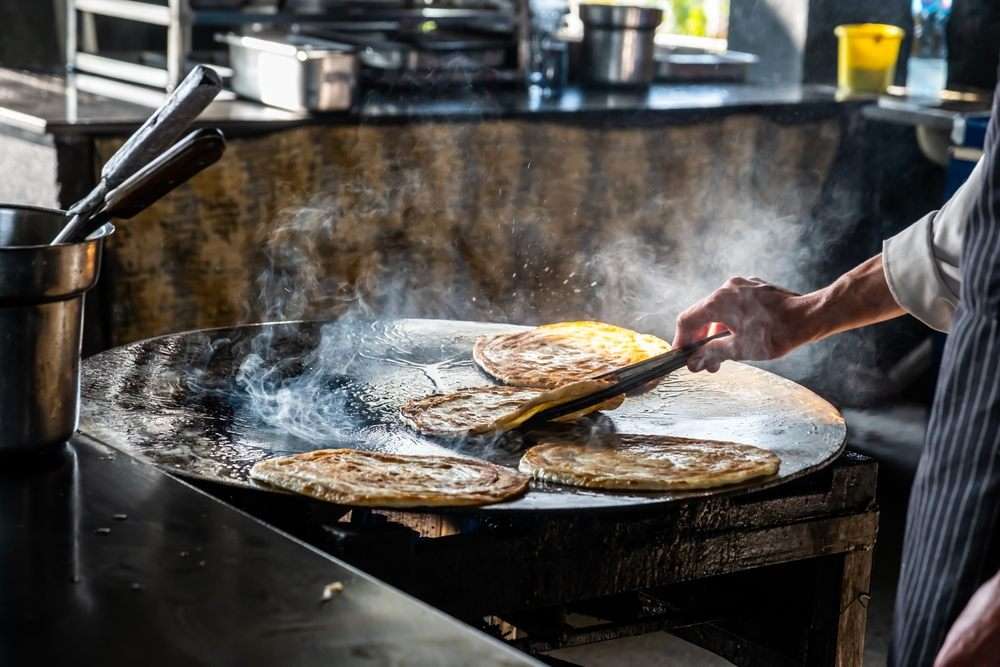
The hallmark of authentic Indian street food lies in its commitment to made-from-scratch preparation. Vendors prepare batters fresh each morning, hand-grind spice blends, and cook components to order. This dedication to freshness means that a plate of pani puri tastes dramatically different from one vendor to the next, each bringing their own proportion of spices, their preferred tamarind intensity, or their signature mint water recipe.
Regional diversity further distinguishes this food culture. A single dish might transform completely as you travel from one state to another. What North Indians know as golgappas become puchkas in Kolkata, with the filling shifting from spiced potatoes to a tamarind-soaked chickpea mixture. This regional pride creates an incredibly rich landscape of flavours, techniques, and presentations, all falling under the vast umbrella of Indian street food.
Classic Dishes That Define the Street Food Experience
Chaat represents perhaps the most recognizable category of Indian street food, encompassing dozens of variations built around the concept of layered textures and contrasting flavours. Papdi chaat forms the foundation of this family, combining crispy fried dough wafers with boiled potatoes, chickpeas, yogurt, and multiple chutneys. The interplay between the cool yogurt, tangy tamarind, spicy green chutney, and crunchy sev creates a sensory experience that hits every taste receptor simultaneously.
Vada pav, often called Mumbai’s burger, showcases how street food vendors elevate humble ingredients into something extraordinary. A spiced potato fritter, coated in chickpea batter and deep-fried until golden, gets tucked into a soft pav bread and served with green chutney and fried green chillies. The magic lies in the potato filling, which combines mashed potatoes with mustard seeds, curry leaves, turmeric, and precisely measured spices that transform a simple vegetable into an addictive filling.
From North India, chole bhature delivers satisfying substance alongside bold flavour. Chickpeas slow-cook in a rich gravy built from onions, tomatoes, ginger, garlic, and a complex spice blend that typically includes cinnamon, cardamom, and dried pomegranate seeds. Served alongside bhature, a fluffy deep-fried bread that puffs into a golden pillow, this dish represents the hearty, robust flavours that characterize Punjabi street food traditions.
Dosa brings South Indian ingenuity to the street food scene. This fermented rice and lentil crepe, cooked on a hot griddle until crispy and golden, can be served plain or filled with spiced potatoes for the classic masala dosa. The fermentation process, which takes 8 to 12 hours, develops complex flavours and creates the characteristic tangy note that balances the earthiness of the lentils. Served with sambar, a lentil-based vegetable stew, and coconut chutney, dosa exemplifies how Indian street food achieves nutritional balance and flavour complexity simultaneously.
Pav bhaji emerged from Mumbai’s textile mill workers needing fast, filling meals during short breaks. Vendors mash together potatoes, tomatoes, peas, and cauliflower with a generous amount of butter and a special pav bhaji masala blend, creating a thick, rich vegetable curry. Served with toasted buttered pav and raw onions, this dish demonstrates how Indian street food evolved to meet practical needs while never compromising on the depth of flavour that defines the cuisine.
How Spices and Preparation Techniques Create Signature Flavours
The distinctive taste of Indian street food stems directly from the mastery of spice blending and layered cooking techniques. Unlike cuisines that might rely on a single predominant flavour, Indian vendors build complexity through sequential spice additions at different cooking stages. Whole spices like cumin seeds and mustard seeds get tempered in hot oil first, releasing their essential oils. Ground spices join later, at lower temperatures, to prevent burning while still developing their full flavour potential.
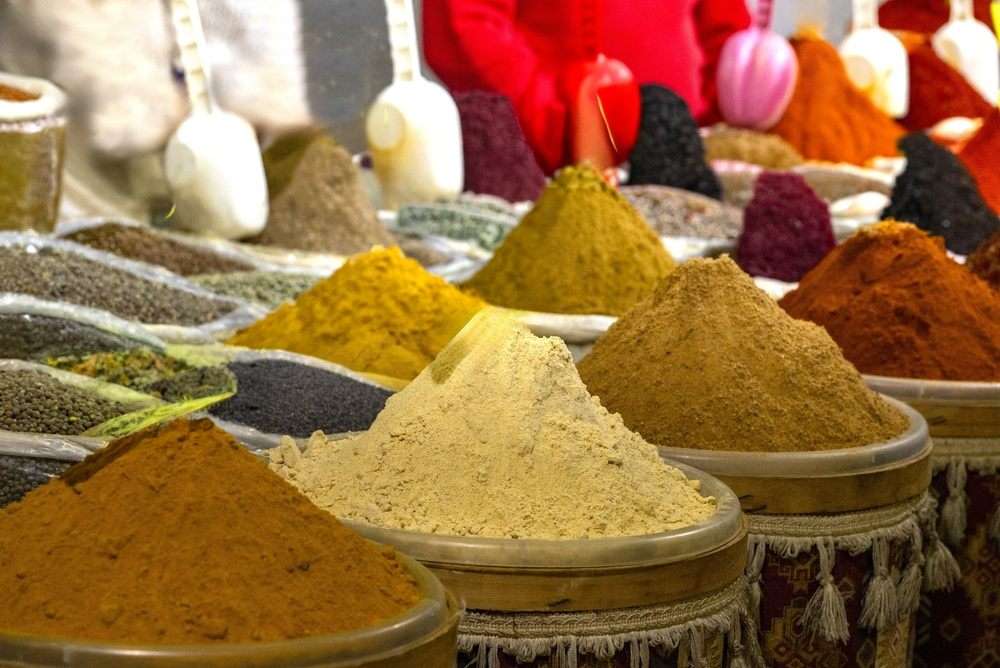
Chaat masala deserves particular attention as the secret weapon in countless street food dishes. This tangy, slightly funky spice blend combines dried mango powder, black salt, cumin, coriander, ginger, black pepper, and asafoetida. The black salt, with its distinctive sulphurous note, creates the unforgettable savoury-sour taste that defines chaat. Vendors guard their personal chaat masala recipes carefully, adjusting ratios to create their signature flavour profile.
Layering techniques extend beyond spices to include textural contrasts that make Indian street food so engaging to eat. A single dish might combine crispy fried elements, soft-cooked vegetables, cool yogurt, and crunchy fresh garnishes.
This attention to texture transforms eating into a dynamic experience where each bite delivers something different. The crispy sev on top of papdi chaat, the soft pav against the crispy vada, the delicate dosa wrapper surrounding spiced potato, all these combinations show intentional craft rather than accidental assembly.
The role of fresh herbs and aromatics cannot be overstated. Fresh coriander, mint, ginger, and green chillies appear in nearly every dish, added at the end to preserve their bright, fresh flavours. This practice of finishing dishes with raw aromatics creates a flavour dimension that distinguishes Indian cuisine from those that rely primarily on cooked flavours. When you visit an Indian cuisine restaurant that honours these traditions, you’ll notice how the careful balance of cooked spices and fresh herbs creates remarkable depth in every dish.
Understanding Regional Variations and Their Origins
India’s vast geography and cultural diversity mean that street food varies dramatically from region to region, each area contributing unique dishes shaped by local ingredients, climate, and cultural influences.
North Indian street food tends toward robust, hearty preparations featuring dairy products, wheat-based breads, and bold spice blends. The cooler climate historically supported dairy production, leading to the prominence of paneer, yogurt, and ghee in dishes like chole bhature and various chaats.
South Indian street food reflects the region’s rice cultivation, coconut abundance, and preference for fermented foods. Dosa, idli, vada, and uttapam all showcase rice and lentil combinations, often fermented to develop complex flavours and improve digestibility.
The liberal use of coconut, curry leaves, and mustard seeds creates a distinctly different flavour profile from northern preparations. Dishes tend to be lighter, often served with sambar and various coconut-based chutneys that provide a cooling contrast to spicy elements.
Western India, particularly Mumbai and Gujarat, contributes some of the most iconic street foods through creative fusion and adaptation. Mumbai’s position as a major port city brought diverse culinary influences, leading to innovations like vada pav and pav bhaji.
Gujarati street food incorporates more sweet elements, reflecting the region’s cultural preference for balancing sweet and savoury. Dishes like dhokla, a steamed fermented chickpea flour cake, and fafda, crispy fried chickpea strips served with sweet chutney, showcase this unique flavour philosophy.
Eastern India, particularly Kolkata, developed its own street food traditions under diverse cultural influences. Kathi rolls, featuring kebabs or paneer wrapped in paratha bread, originated here and spread across the country.
Bengali sweets also play a significant role in street food culture, with vendors offering everything from rasgulla to sandesh alongside savoury options. The Bengali preference for mustard oil and panch phoron, a five-spice blend, creates distinctive flavours that immediately identify dishes from this region.
Frequently Asked Questions About Indian Street Food
Q: What makes Indian street food different from regular Indian restaurant food?
A: Street food typically focuses on quick preparation, bold flavours, and specific regional specialties that might not appear on standard restaurant menus. Street vendors often specialize in one or two dishes, perfecting them through years of repetition. Restaurant menus offer a wider variety and may adapt traditional recipes for different dining expectations. However, restaurants committed to authenticity, like those specializing in Indian food, often feature street food classics prepared with the same traditional techniques and spice blends that vendors use.
Q: Can vegetarians find substantial options in Indian street food?
A: Indian street food offers an exceptional variety for vegetarians, with many iconic dishes being entirely plant-based. Chaat variations, dosa, vada pav, pav bhaji, and countless other options provide satisfying, protein-rich meals without any meat. The extensive use of lentils, chickpeas, and paneer ensures vegetarian options deliver both nutrition and flavour depth.
Q: How important is the spice level in experiencing authentic Indian street food flavours?
A: While Indian street food certainly can be spicy, the heat level varies greatly between dishes and regions. Many classic preparations focus more on aromatic spices than chilli heat. The complexity comes from layering multiple spice dimensions rather than simply increasing heat. Authentic vendors adjust spice levels to customer preference while maintaining the essential spice blend ratios that define each dish.
Experience Authentic Indian Street Food Traditions
Indian street food represents centuries of culinary evolution, where skilled hands transform simple ingredients into extraordinary flavour experiences through precise spice blending, time-honoured techniques, and unwavering commitment to fresh preparation. Each dish carries the story of its region, reflecting local ingredients, cultural preferences, and the creativity of vendors who’ve perfected their craft over generations.
Whether you’re drawn to the tangy complexity of chaat, the satisfying heartiness of chole bhature, or the delicate crispness of dosa, these dishes offer a gateway into India’s rich culinary heritage. At Mughal Mahal, we bring these authentic street food traditions to your table, preparing each dish from scratch using premium Himalayan herbs and over 30 exotic spices, just as vendors have done on Delhi’s streets for generations. Reserve Your Table and discover why Indian street food has captivated food lovers across the world.