
Planning an Indian Buffet: How to Curate an Authentic & Memorable Spread
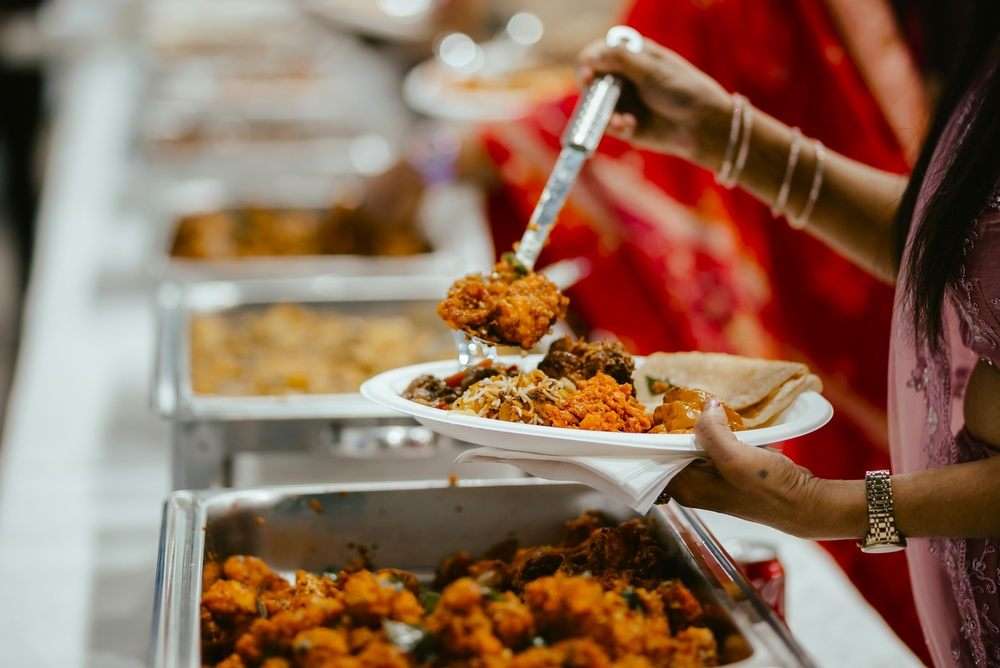
An authentic Indian buffet brings together bold flavours, rich aromas, and diverse textures in a way that invites guests to explore an entire culinary tradition in one sitting. For event organizers and hosts planning a gathering, creating this experience requires more than simply ordering a selection of curries.
The key lies in understanding how to balance regional dishes, accommodate dietary preferences, and present food in a way that honours the heritage behind each recipe while ensuring your guests feel welcomed and satisfied.
Building a Foundation: Essential Categories Every Indian Buffet Needs
The structure of an authentic Indian buffet follows a thoughtful progression from lighter items through rich mains to accompaniments and desserts. Start with appetizers and street food items that immediately engage your guests with familiar favourites and introduce them to regional specialties. Samosas, pakoras, and aloo tikki work well here, but consider including at least one signature item like Amritsari Kulcha served with channa.
This hand-crafted, stuffed North Indian bread offers a memorable first impression that speaks to quality and authenticity. Your main course selection should include both vegetarian and non-vegetarian options that showcase different cooking methods and regional styles.
Plan for at least three curries with varying spice levels: one mild and creamy (such as butter chicken or paneer makhani), one medium-spiced option (like chicken tikka masala or channa masala), and one bolder choice for adventurous eaters (perhaps a vindaloo or madras curry).
This range ensures every guest finds something comfortable while still experiencing authentic flavours.
Include a rice and biryani station as a centrepiece. Slow-cooked biryanis layered with fragrant basmati rice, tender meat or vegetables, and aromatic spices deserve prominence in your spread. Serve alongside plain basmati rice for guests who prefer milder pairings. The quality of your biryani often defines how guests remember the entire meal, so this category deserves careful attention.
Bread selections provide both a functional and cultural element to your buffet. Beyond standard naan, consider offering garlic naan, tandoori roti, and at least one stuffed bread option. Freshly prepared breads served warm make a significant difference in guest satisfaction. If your catering allows, arrange for breads to be replenished throughout service rather than sitting out from the start.
Accommodating Dietary Needs Without Compromising Authenticity
Modern event planning requires sensitivity to various dietary requirements, and fortunately, Indian cuisine naturally accommodates many preferences. When selecting dishes for a halal buffet, verify that all meat options meet halal standards and that no cross-contamination occurs during preparation. Many traditional Indian recipes already align with halal requirements, making this accommodation straightforward when working with the right kitchen.
Vegetarian guests will find abundant options in authentic Indian cuisine, but take care to offer more than just side dishes. Feature substantial vegetarian mains like dal makhani, palak paneer, mixed vegetable korma, and baingan bharta. These dishes carry enough richness and complexity to satisfy as centrepiece items rather than afterthoughts.
For guests with specific restrictions, clearly label each dish with key information about ingredients. Note which items contain dairy, nuts, or gluten. Consider including at least one vegan curry option prepared with coconut milk or tomato-based gravies instead of cream. Traditional dishes like chana masala, aloo gobi, and bhindi masala naturally fit vegan requirements when prepared with oil rather than ghee.
Spice tolerance varies significantly among guests, particularly those new to Indian cuisine. Rather than diluting authentic recipes, offer cooling accompaniments that allow guests to moderate heat levels themselves. Raita, plain yogurt, and cucumber salad provide immediate relief while complementing the meal’s flavours. Include these items prominently near your main dishes with clear signage explaining their purpose.
Presentation & Service Elements That Elevate the Experience
The way you present and serve your buffet directly impacts how guests perceive the meal’s quality and authenticity. Invest in proper chafing dishes and warmers to maintain ideal serving temperatures throughout your event. Indian gravies and rice dishes suffer significantly when allowed to cool, affecting both taste and texture. Plan your setup to allow easy replenishment without disrupting guest flow.
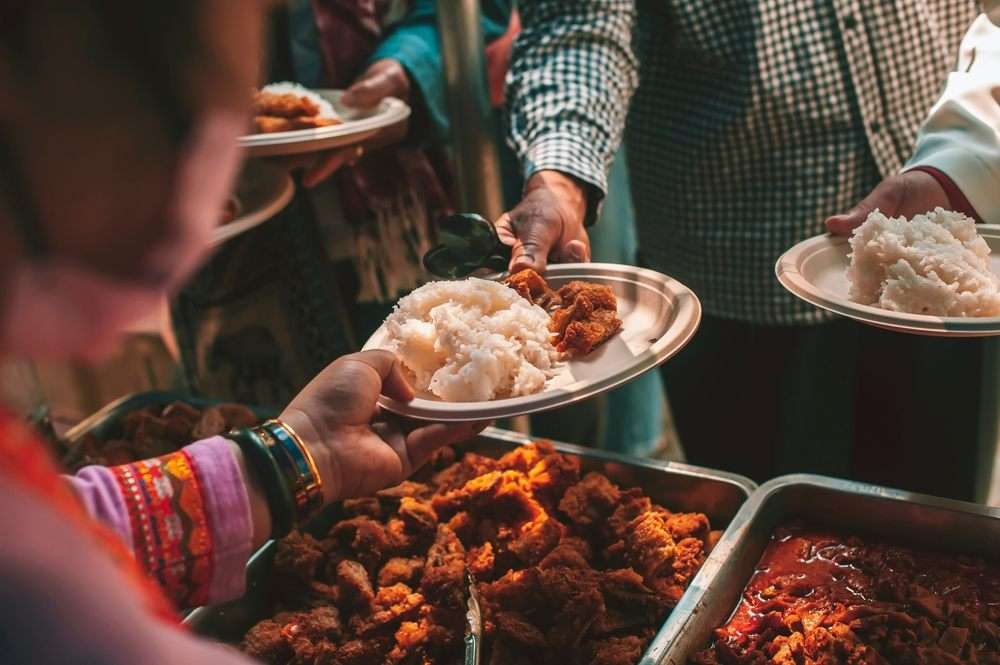
Arrange your buffet in a logical progression that mirrors the structure of an Indian meal. Position appetizers and street food first, followed by breads and main curries, then rice and biryani, with chutneys, pickles, and accompaniments available at multiple points along the line. Desserts work best on a separate table or station to prevent congestion and allow guests to return after their main course.
Provide proper serving utensils for each dish, ensuring that vegetarian and non-vegetarian items have clearly separated implements. This attention to detail demonstrates respect for dietary choices and maintains the integrity of each dish. Include small cards or labels identifying each item by name, with a brief description of key ingredients and spice level where helpful.
Consider the sensory experience beyond taste. Premium Himalayan herbs and exotic spices create aromatic richness that should greet guests as they approach the buffet.
Arrange for dishes to be uncovered strategically during service rather than having everything exposed from the start. Fresh garnishes like chopped coriander, sliced onions, and lemon wedges add visual appeal while allowing guests to customize their plates.
FAQ: Common Questions About Planning an Indian Buffet
Q: How many dishes should I include in an Indian buffet for 50 guests?
A: For a group of 50, plan for six to eight main dishes (split evenly between vegetarian and non-vegetarian), three to four bread varieties, two rice options, including one biryani, four to five appetizers, and at least three accompaniments. This variety ensures adequate choice without overwhelming your budget or creating excessive waste. Calculate roughly 200 to 250 grams of food per person across all categories, adjusting upward for events where the meal is the primary focus.
Q: What’s the best way to keep naan and rotis fresh during a buffet service?
A: Traditional tandoor-baked breads stay freshest when served in covered bread baskets lined with clean cloth napkins. The fabric traps steam while allowing just enough air circulation to prevent sogginess. For events longer than two hours, arrange for fresh batches to be brought out every 30 to 45 minutes rather than displaying all breads at once. If working with a catering service, confirm whether they can provide on-site bread preparation or timed delivery of fresh items.
Q: How do I balance authentic flavours with guests who aren’t familiar with Indian cuisine?
A: Include gateway dishes with broad appeal alongside more traditional options. Butter chicken, tikka masala, and korma-style preparations offer authentic Indian flavours in milder, cream-based formats that feel approachable. Position these items prominently while still showcasing bolder regional specialties. Provide clear descriptions and spice-level indicators so guests can make informed choices. Most importantly, ensure your cooling accompaniments are visible and well-stocked, allowing everyone to adjust heat levels to their comfort.
Creating Your Memorable Indian Buffet Experience
The success of an authentic Indian buffet lies in thoughtful curation rather than simply offering quantity. When you balance traditional recipes with considerate presentation, accommodate genuine dietary needs without compromise, and work with kitchens that prepare food from scratch using premium spices and time-honoured techniques, you create an experience that goes beyond a meal.
Your guests will remember not just the flavours but the care and authenticity that shaped their encounter with Indian culinary tradition.
Whether you’re planning a corporate event, wedding reception, or community gathering, partnering with a restaurant that understands both heritage and hospitality ensures your buffet delivers the quality your occasion deserves.
From signature breads hand-crafted by experienced chefs to slow-cooked biryanis layered with aromatic spices, every element contributes to a cohesive experience.
If you’re ready to bring authentic Indian flavours to your next event, our team can help you design a menu that honours tradition while meeting your specific needs. Contact us to start planning your catering and discover how proper preparation transforms a buffet into a memorable celebration.