
Top 5 Must-Try Punjabi Dishes Beyond Amritsari Kulcha
Amritsari Kulcha has earned its place as a beloved favourite, but Punjabi cuisine offers a remarkable depth of flavours that many diners never explore. From slow-cooked lentils that have simmered for hours to grilled meats seasoned with heritage spice blends, the region’s culinary traditions extend far beyond stuffed breads and chickpea curries.
Sarson Ka Saag with Makki Di Roti: Punjab’s Winter Soul Food
This iconic pairing represents the agricultural heart of Punjab, where mustard greens blanket winter fields and cornmeal has sustained farming families for generations. Sarson ka saag involves slow-cooking mustard greens with spinach, bathua (a regional green), and a careful balance of spices until the mixture transforms into a thick, velvety preparation. The greens break down over gentle heat, their natural bitterness mellowing into an earthy richness that’s finished with a tempering of ghee, garlic, and ginger.
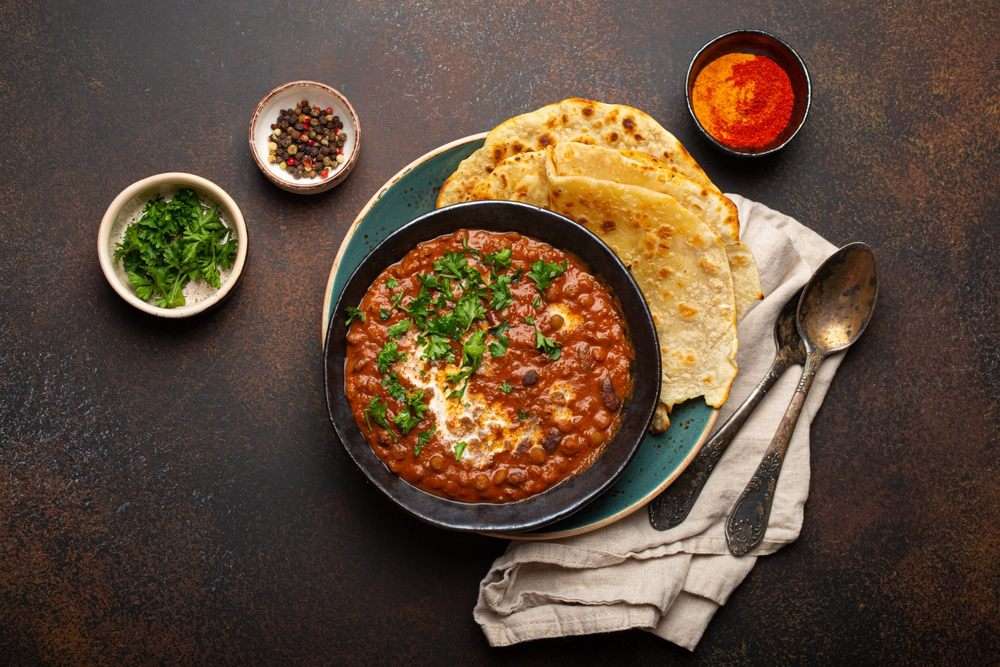
The accompaniment, makki di roti, requires skill to master. Unlike wheat-based breads, cornmeal lacks gluten, making the dough fragile and prone to cracking. Expert preparation involves kneading the coarse flour with just enough warm water to bind it, then patting it out by hand into thick, rustic rounds. When cooked on a hot tava, the roti develops charred spots that add a subtle smokiness.
This combination delivers comfort through contrast. The saag’s smooth texture plays against the roti’s grainy bite, while a dollop of white butter or jaggery cuts through the greens’ robust flavour. It’s a dish that speaks to Punjab’s agrarian roots, best enjoyed during cooler months when mustard greens reach their peak.
Amritsari Fish: Crispy, Spiced, & Utterly Addictive
The streets near Amritsar’s Golden Temple have long been famous for this preparation, where fresh river fish meets a complex marinade before being fried to golden perfection. The technique begins with firm white fish, typically sole or basa, cut into generous pieces and marinated in a mixture that includes carom seeds (ajwain), ginger-garlic paste, lemon juice, and gram flour.
What sets authentic Amritsari fish apart is the spice blend. Chefs combine roasted cumin, dried fenugreek leaves, red chilli powder, and garam masala in proportions that create layers of heat and aroma without overwhelming the fish’s delicate flavour. The gram flour coating, when fried in hot oil, forms a light, crispy shell that shatters at first bite, revealing moist, flaky fish within.
This dish demonstrates Punjabi cuisine’s mastery of texture. The exterior crunch gives way to tender fish that’s been infused with tangy, spicy notes from the marinade. Served with a squeeze of fresh lemon and mint chutney, it offers a different expression of Punjab’s love for bold seasoning. Unlike heavier curries, this preparation lets the quality of the fish shine through while still delivering the aromatic complexity that defines regional cooking.
Paya: The Slow-Cooked Delicacy That Rewards Patience
Paya, a curry made from goat or lamb trotters, represents Punjabi cooking at its most patient and rewarding. This dish cannot be rushed. The trotters simmer for six to eight hours, breaking down collagen and marrow until the broth thickens into a rich, gelatinous consistency that coats the back of a spoon.
The preparation begins before dawn in many traditional kitchens. Trotters are cleaned meticulously, then placed in a heavy-bottomed pot with whole spices: black cardamom, cinnamon, bay leaves, and cloves. As the hours pass, onions caramelize into the base, ginger and garlic mellow, and the meat becomes so tender it falls from the bone at the gentlest prod.
What emerges is a deeply savoury curry with subtle heat and an almost luxurious texture. The marrow, once extracted, adds an unctuousness that no other ingredient can replicate. Traditional wisdom holds that paya builds strength and warmth, making it a favoured breakfast dish during the winter months.
Paired with tandoor-baked naan to soak up every drop of the thickened gravy, it offers a taste of Punjabi hospitality at its most generous. Those exploring authentic Indian cuisine will find this dish reveals the region’s dedication to technique and time-honoured methods.
Chole Bhature: The Breakfast of Champions
While many know chickpea curries, chole bhature elevates this humble legume into a celebratory meal. The chole component involves dark chickpeas (kala chana) cooked until tender, then simmered in a gravy built on a base of tea leaves or pomegranate seeds, which lend a distinctive dark colour and tangy depth.
The spice profile here differs from standard chickpea preparations. Dried pomegranate powder (anardana), black salt, and a special blend called chole masala create a flavour that’s simultaneously tangy, warming, and complex. Some recipes call for a hint of tamarind or raw mango powder, adding brightness that cuts through the richness.
The bhature provides a spectacular contrast. This deep-fried bread puffs dramatically when it hits hot oil, creating a hollow, pillowy interior and a golden exterior with slight crispness. Made from refined flour leavened with yogurt and sometimes a touch of baking soda, the dough rests before being rolled and fried.
The result is a bread that’s both indulgent and light, perfect for scooping generous portions of spiced chickpeas.
This combination has become synonymous with weekend brunches and special occasions across Punjab. The interplay between the tangy, spiced chickpeas and the soft, slightly sweet bhature creates a satisfying fullness that explains why many consider it the ultimate comfort food.
Tandoori Chicken: The Heritage Behind the Global Favourite
Most diners have encountered tandoori chicken, but few have experienced it prepared according to traditional Punjabi methods. The dish’s origins trace to the tandoor ovens of undivided Punjab, where chicken pieces would be marinated overnight in yogurt mixed with kasuri methi (dried fenugreek leaves), ginger-garlic paste, and a carefully balanced spice blend.
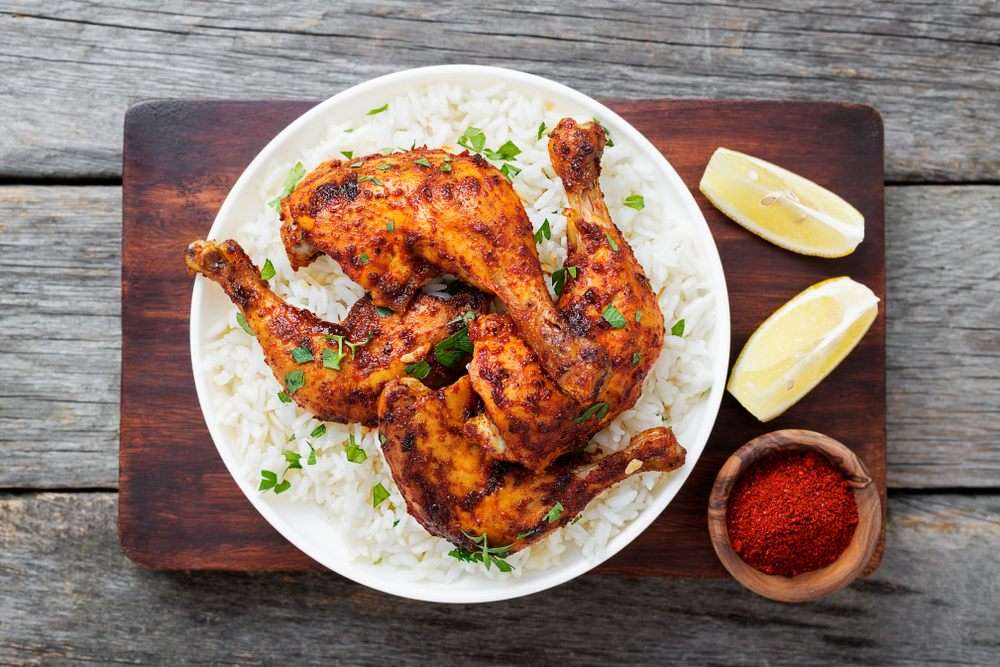
The yogurt serves multiple purposes. Its acidity tenderizes the meat while its fat content keeps it moist during the intense heat of tandoor cooking. The signature red colour traditionally came from Kashmiri red chilli powder, which provides a vibrant hue with minimal heat, though modern preparations sometimes incorporate other natural colourants.
What truly distinguishes exceptional tandoori chicken is the char. When chicken pieces cook in a properly heated clay tandoor at temperatures exceeding 400 degrees, the marinade caramelizes, creating smoky, slightly bitter notes that balance the spices’ warmth. The exterior develops a light crust while the interior remains succulent, its fibres infused with the aromatics from the marinade.
Served with sliced onions, lemon wedges, and mint chutney, properly prepared tandoori chicken showcases how Punjabi cooking balances bold spicing with technique. The dish has travelled globally, but tasting it prepared with traditional methods and premium spices reveals why it became an ambassador for the region’s culinary traditions. For those seeking this level of authenticity, visiting a Punjabi restaurant that honours these techniques makes all the difference.
Common Questions About Punjabi Cuisine
Q: What makes Punjabi food different from other Indian regional cuisines?
A: Punjabi cuisine relies heavily on dairy products like ghee, butter, paneer, and yogurt, which create its characteristic richness. The region’s wheat-growing traditions mean breads play a central role, and the tandoor oven influences many cooking methods. Spice profiles tend toward warming rather than fiery heat, with generous use of kasuri methi, whole garam masala, and slow-cooked onion-tomato bases.
Q: Are traditional Punjabi dishes very spicy?
A: Traditional Punjabi cooking emphasizes aromatic complexity over pure heat. While dishes contain multiple spices, the focus remains on creating depth through techniques like tempering whole spices in ghee or slow-cooking onions until deeply caramelized. Chilli heat exists but serves to enhance other flavours rather than dominate them.
Q: Can vegetarians enjoy authentic Punjabi cuisine?
A: Absolutely. Punjab’s agricultural abundance has produced exceptional vegetarian dishes like dal makhani, paneer preparations, and countless vegetable curries. The region’s respect for both meat and vegetarian traditions means plant-based dishes receive the same attention to technique and spicing as their meat counterparts.
Experience Punjab’s Culinary Heritage Beyond the Expected
Punjabi cuisine rewards those who venture past familiar favourites. Each of these five dishes represents generations of technique refinement, from the patient simmering of paya to the precise spicing of Amritsari fish.
They demonstrate how regional cooking traditions balance richness with freshness, bold flavours with careful technique, and celebration with nourishment.
Understanding these dishes deepens appreciation for how Punjab’s agricultural bounty, climate, and cultural values shaped a cuisine that has influenced dining tables worldwide.
Whether you’re drawn to the warming comfort of sarson ka saag, the festive indulgence of chole bhature, or the smoky perfection of traditionally prepared tandoori chicken, each dish offers a distinct window into the region’s culinary soul.
Ready to explore these authentic flavours prepared with traditional methods and premium ingredients? Order online and bring the true taste of Punjab to your table.